Curated by Cesar Oiticica, the exhibition at the Hélio Oiticica Municipal Arts Center challenges the boundaries between memory, the body, and the political resistance of autobiographical discourse.
Contemporary art, in its most confessional and political forms, often addresses the question: who owns the right to memory? On May 16, the Hélio Oiticica Municipal Arts Center opens the exhibition “And I Rise and Tell a Story” by Paula Parisot.

Curated by Cesar Oiticica, the exhibition is not merely a retrospective of works produced between 2018 and 2026, but a visual manifesto on narrative sovereignty.
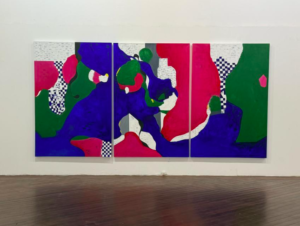
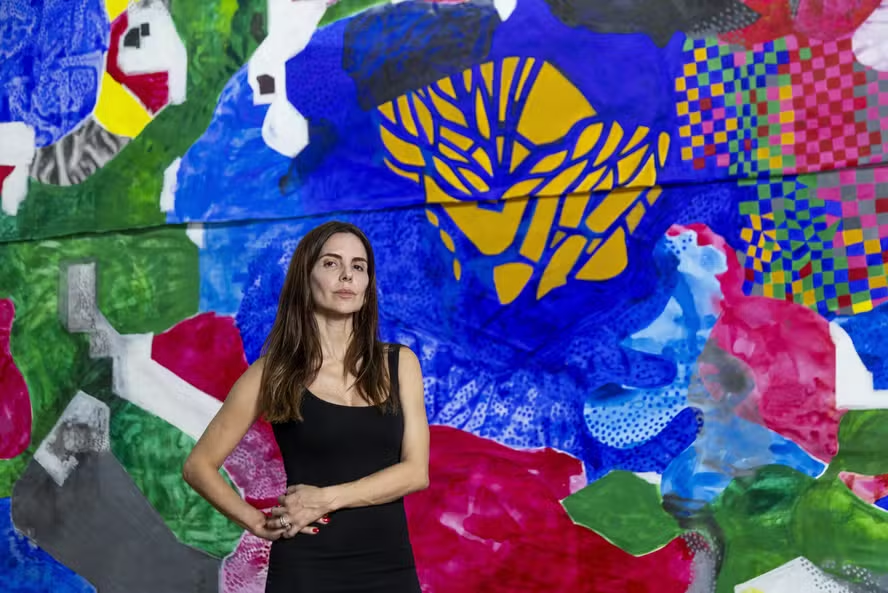
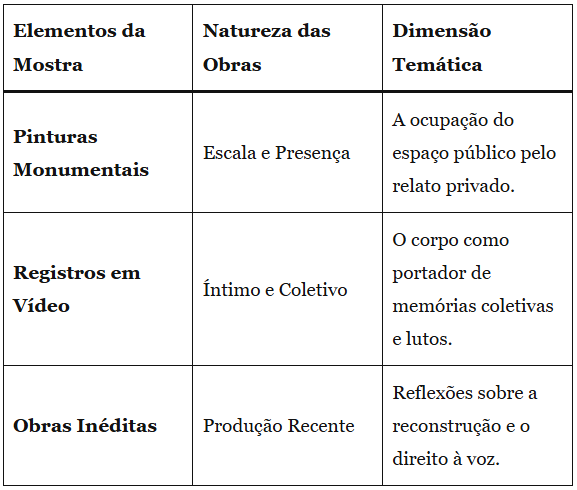
The exhibition brings together large-scale paintings, videos, and new installations that operate as devices of survival.
Parisot proposes a confrontation with hegemonic narratives — whether legal, political, or patriarchal — by asserting that the act of narrating one’s own life is, in essence, a gesture of resistance against institutionalized erasure and silencing.

Correspondence as an Aesthetic Genesis”
The backbone of the exhibition lies in the intellectual and emotional dialogue between Paula Parisot and Portuguese writer Susana Moreira Marques. From this epistolary exchange emerged profound reflections on the stigmas of motherhood, geographical displacements, and the scars left by legal battles.
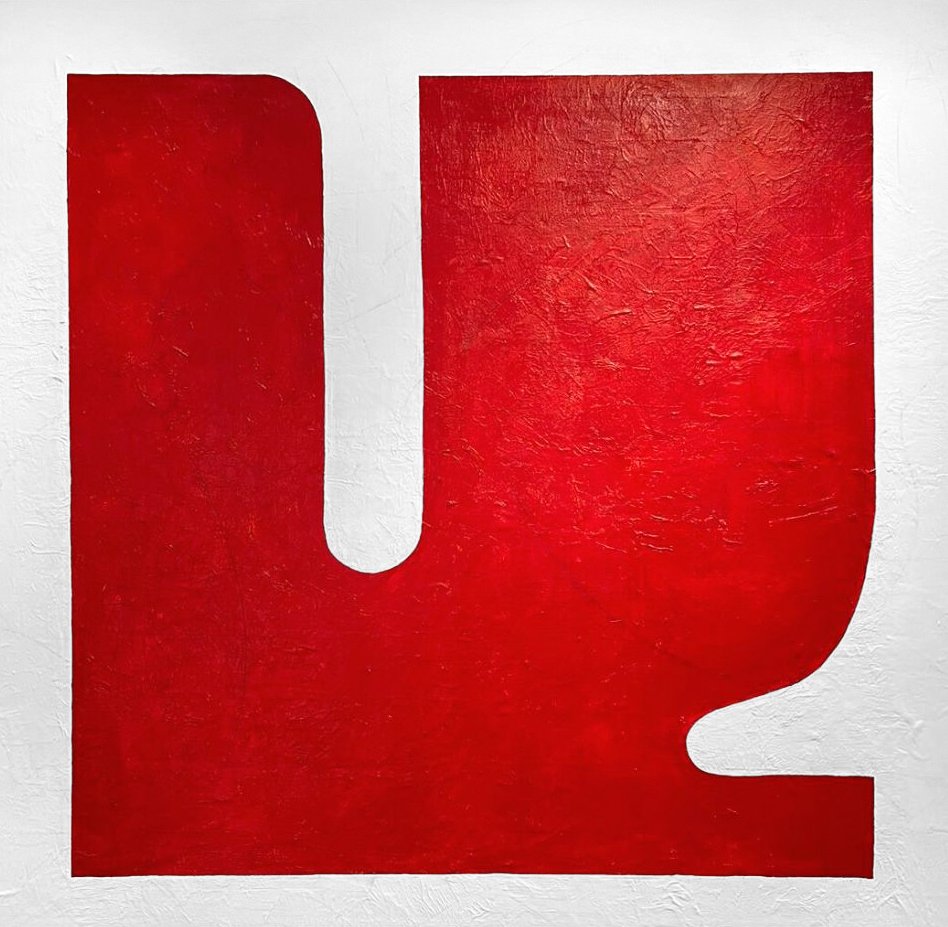
Geometria da Memória
“Having the right to our own story […] is the only thing that makes life possible,” states the artist. This phrase serves as the exhibition’s gravitational axis, transforming personal trauma into aesthetic material. Parisot’s work rejects the separation between life and art, claiming the female body as a political territory where memory becomes the primary tool of permanence.”
Resistance and Transmission: Between Padura and Oiticica
The influence of Leonardo Padura’s literature resonates throughout the exhibition through the idea of memory as a means of confronting historical oblivion.
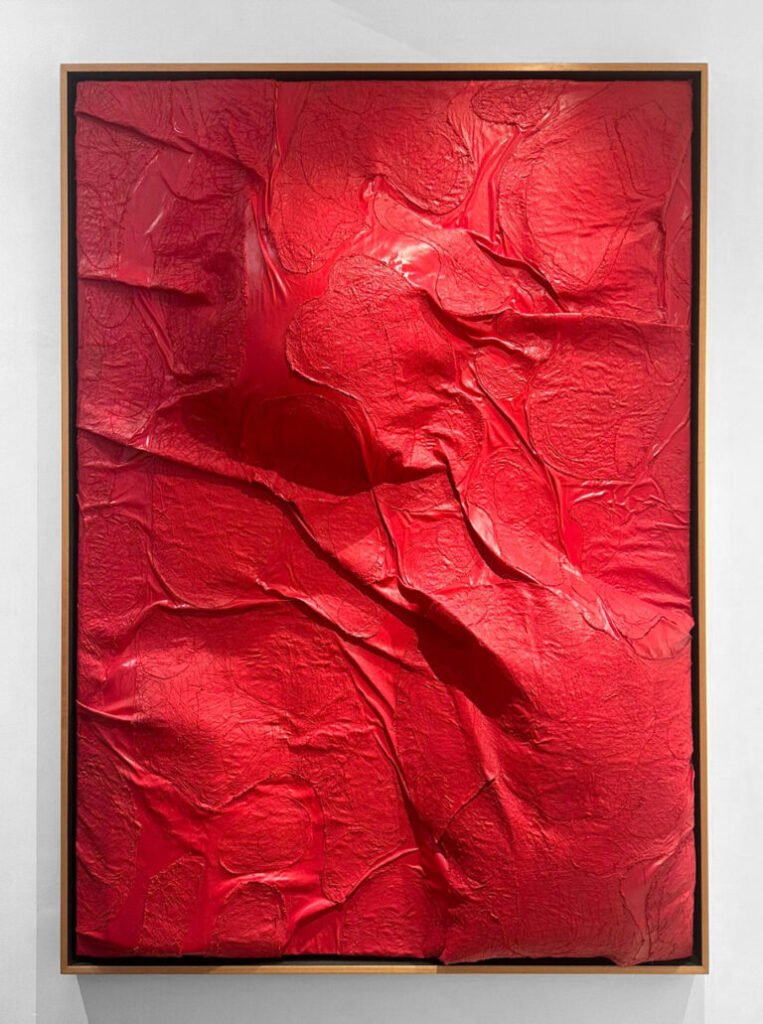
Paula Parisot transposes this logic into the visual realm: rising and recording become performative acts of freedom.
A Space of Recognition
Having traversed paths that have included the Bienal Sur (Buenos Aires) and Casa de América (Madrid), Paula Parisot’s work arrives in Rio de Janeiro established as a space of recognition for other silenced voices.
More than breaking the silence, the exhibition invites the viewer to reflect on the biographical interruptions imposed by structures of power and the urgency of reclaiming control over one’s own life story.
Read the full article on the DIÁRIO CARIOCA website: Paula Parisot and the Ontological Right to Narrate Oneself.