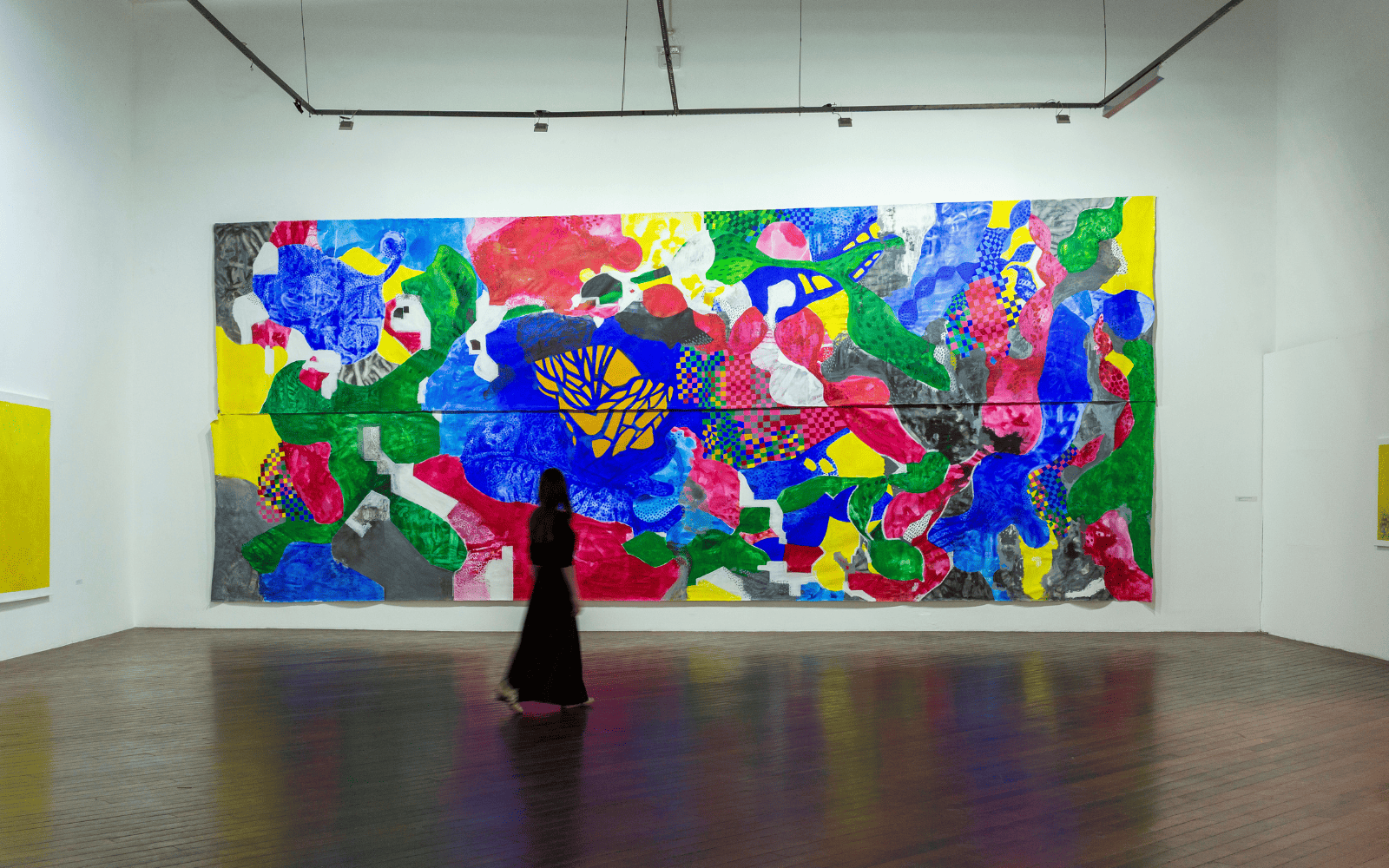
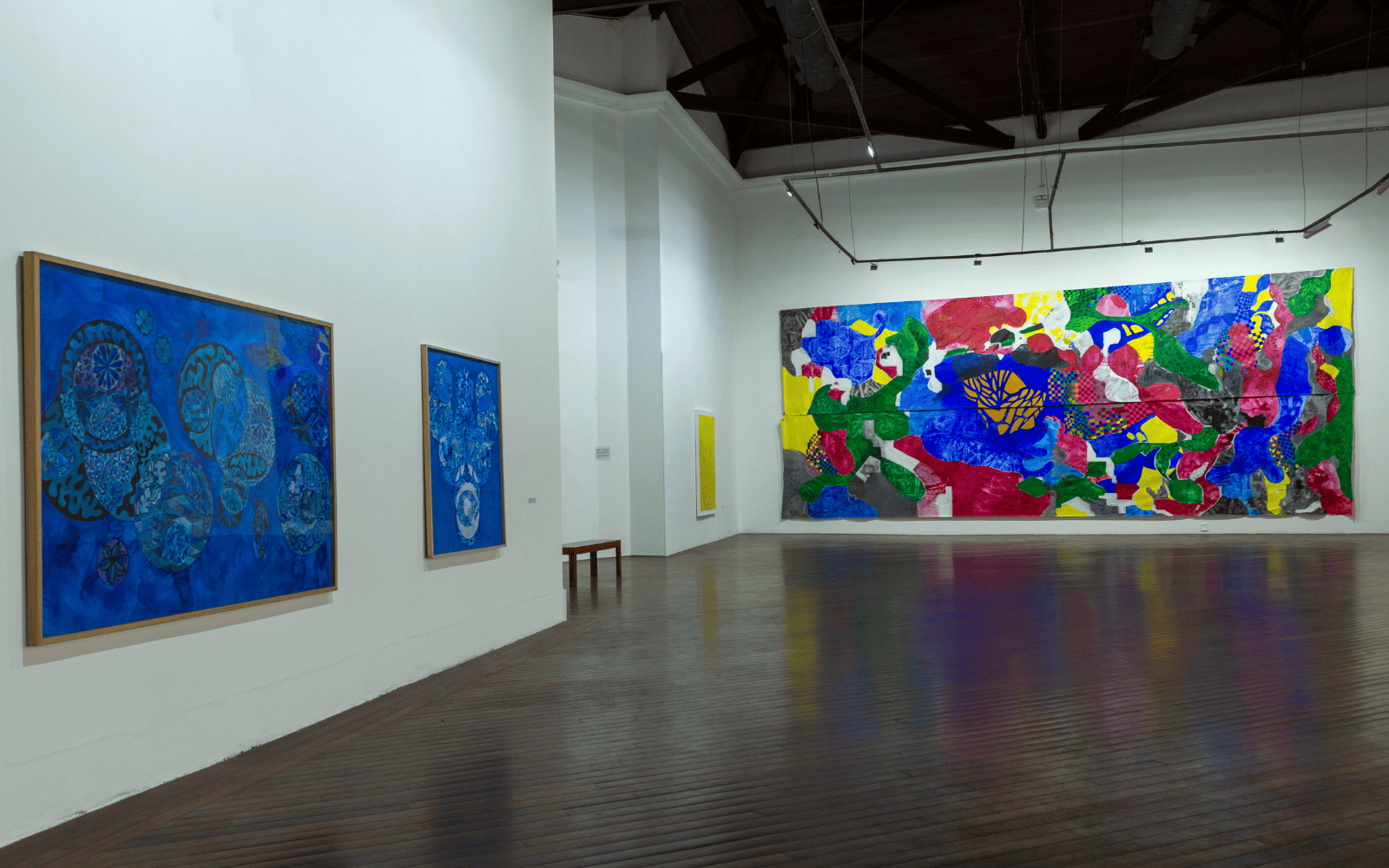
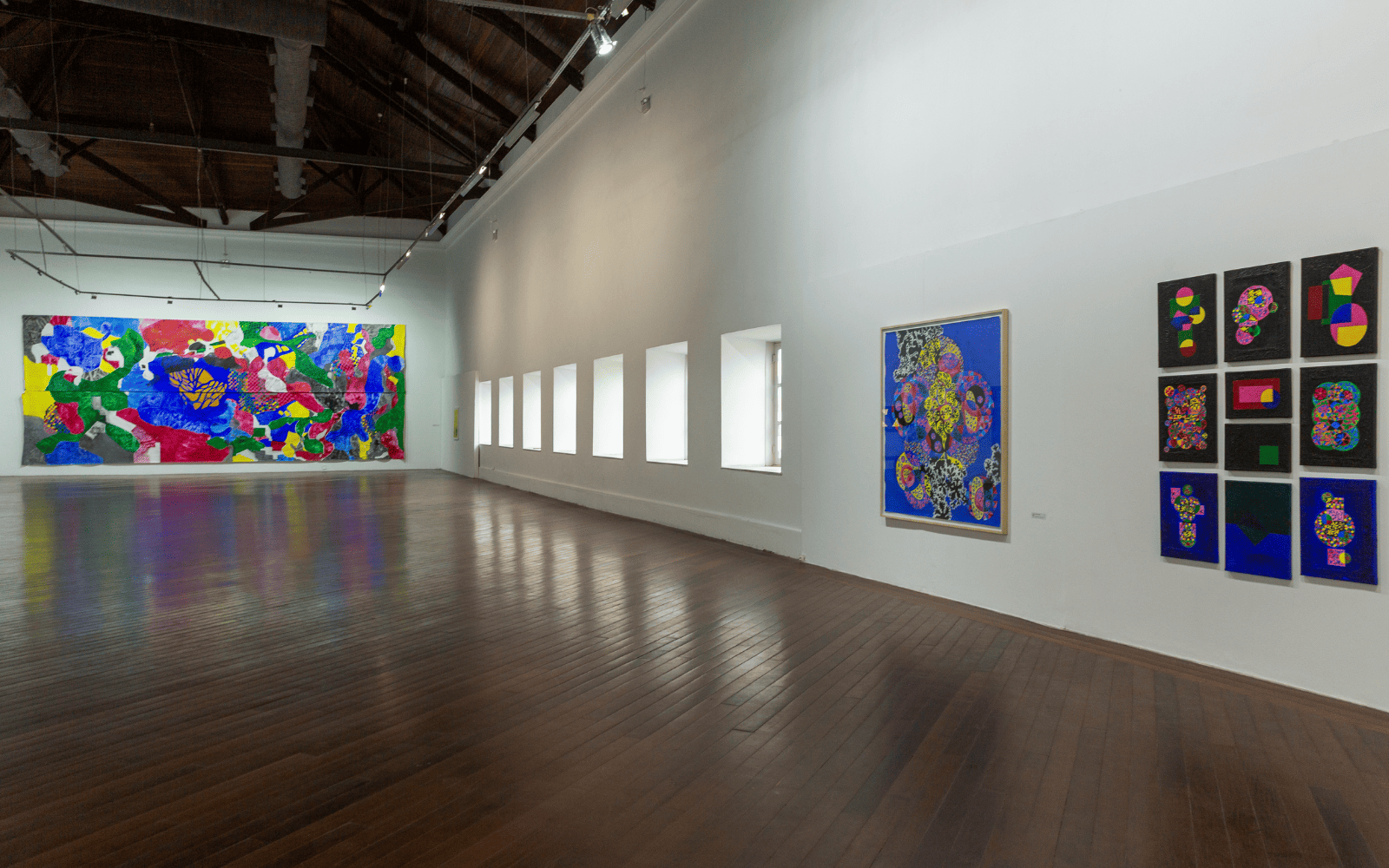
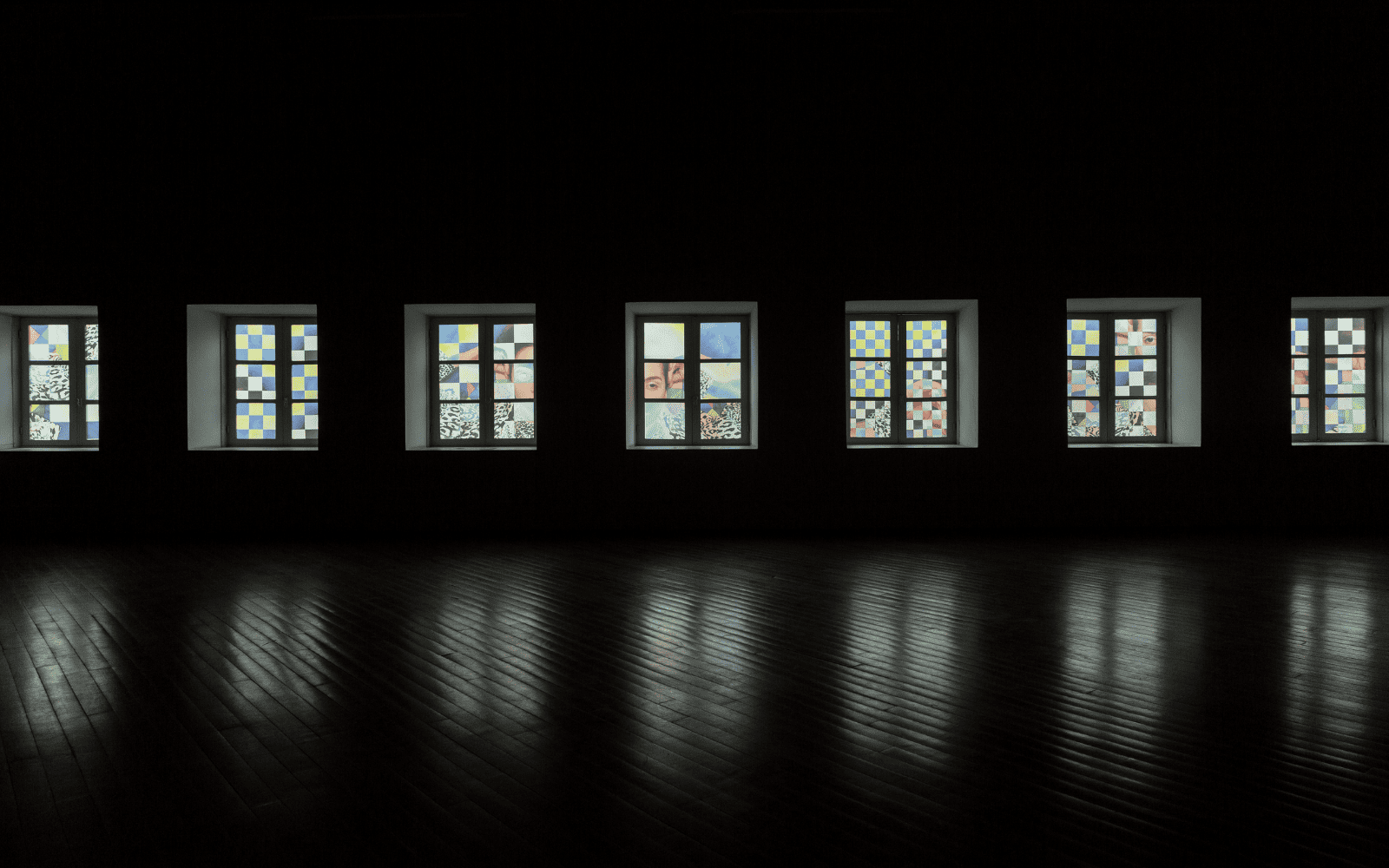
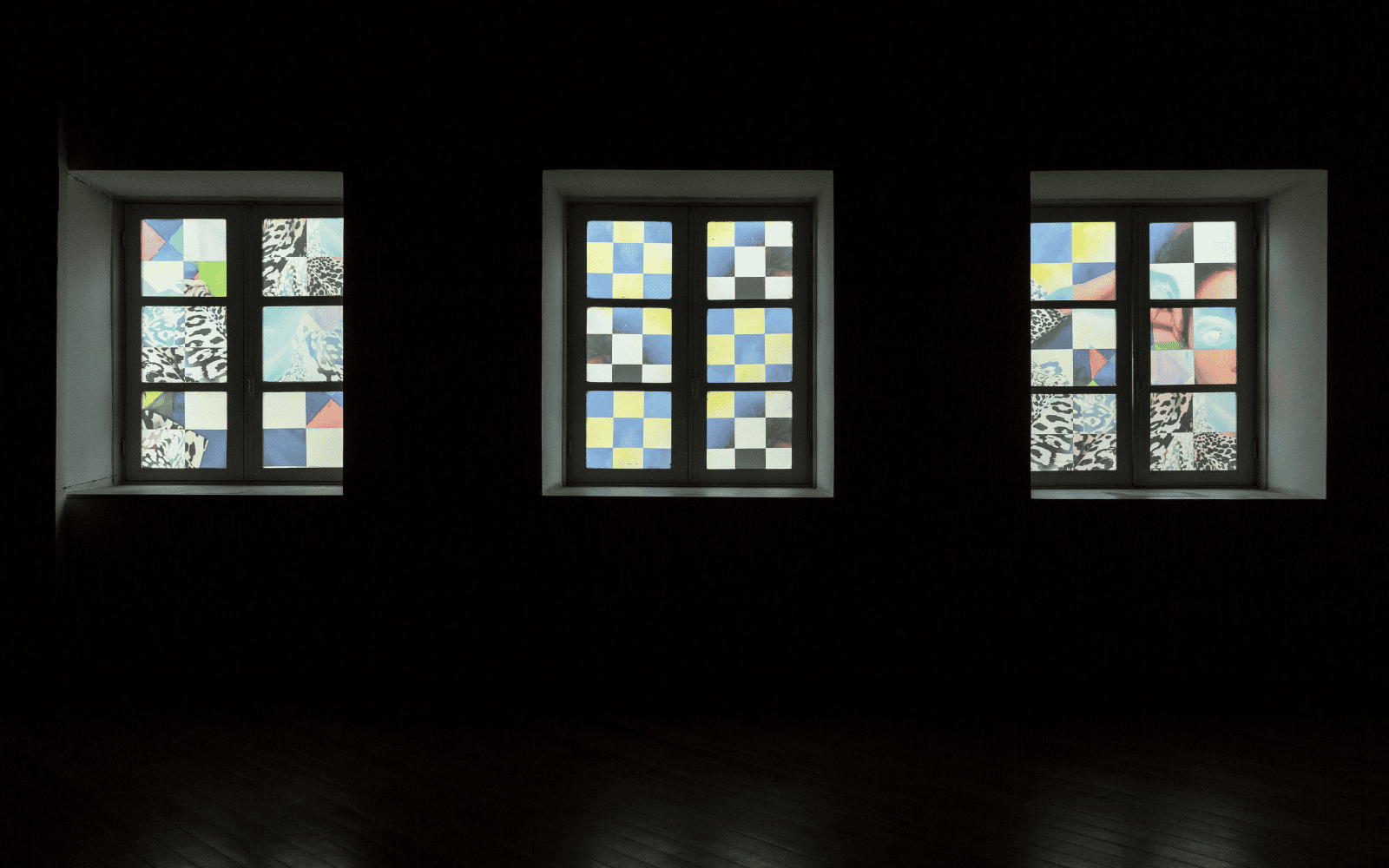
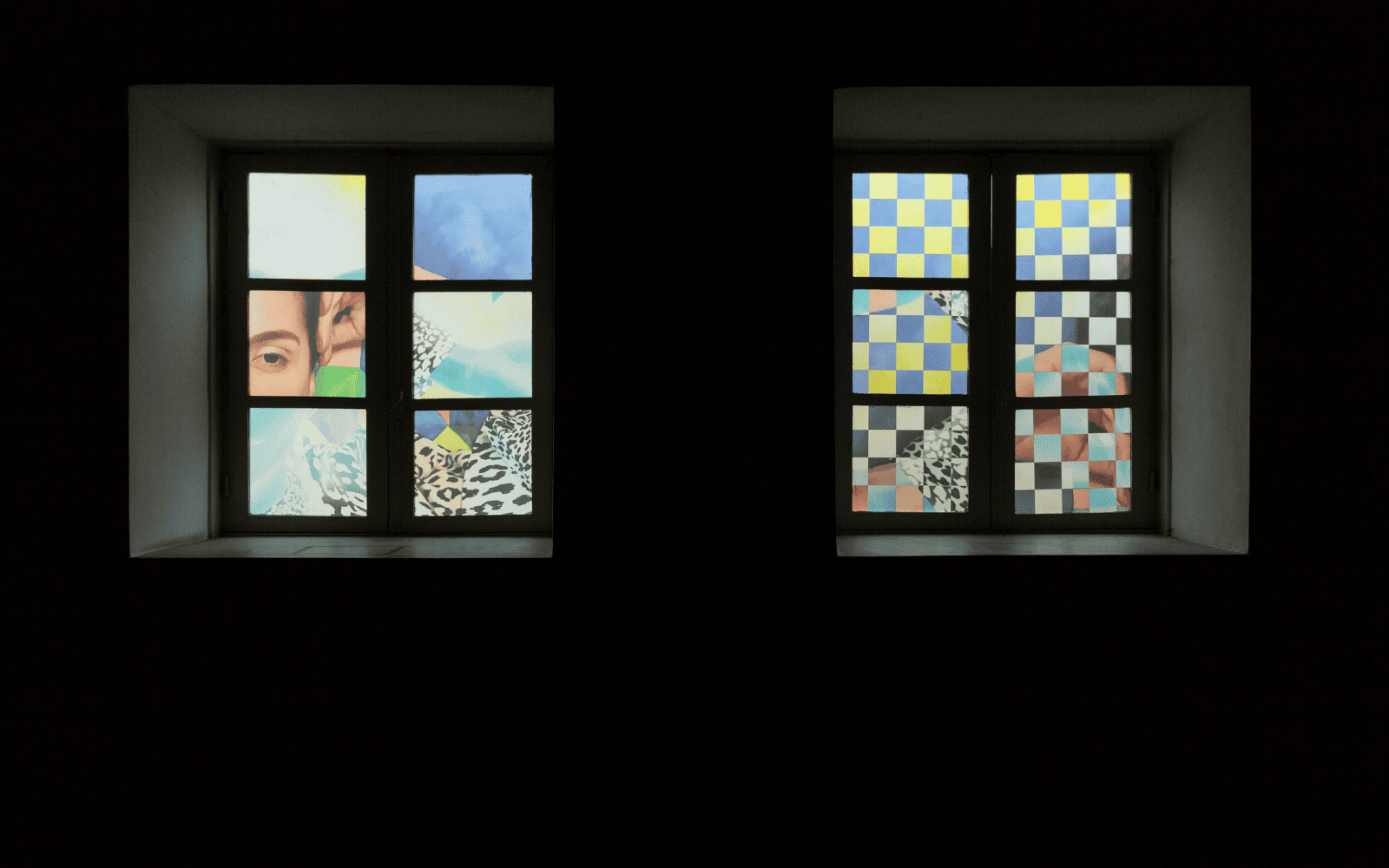
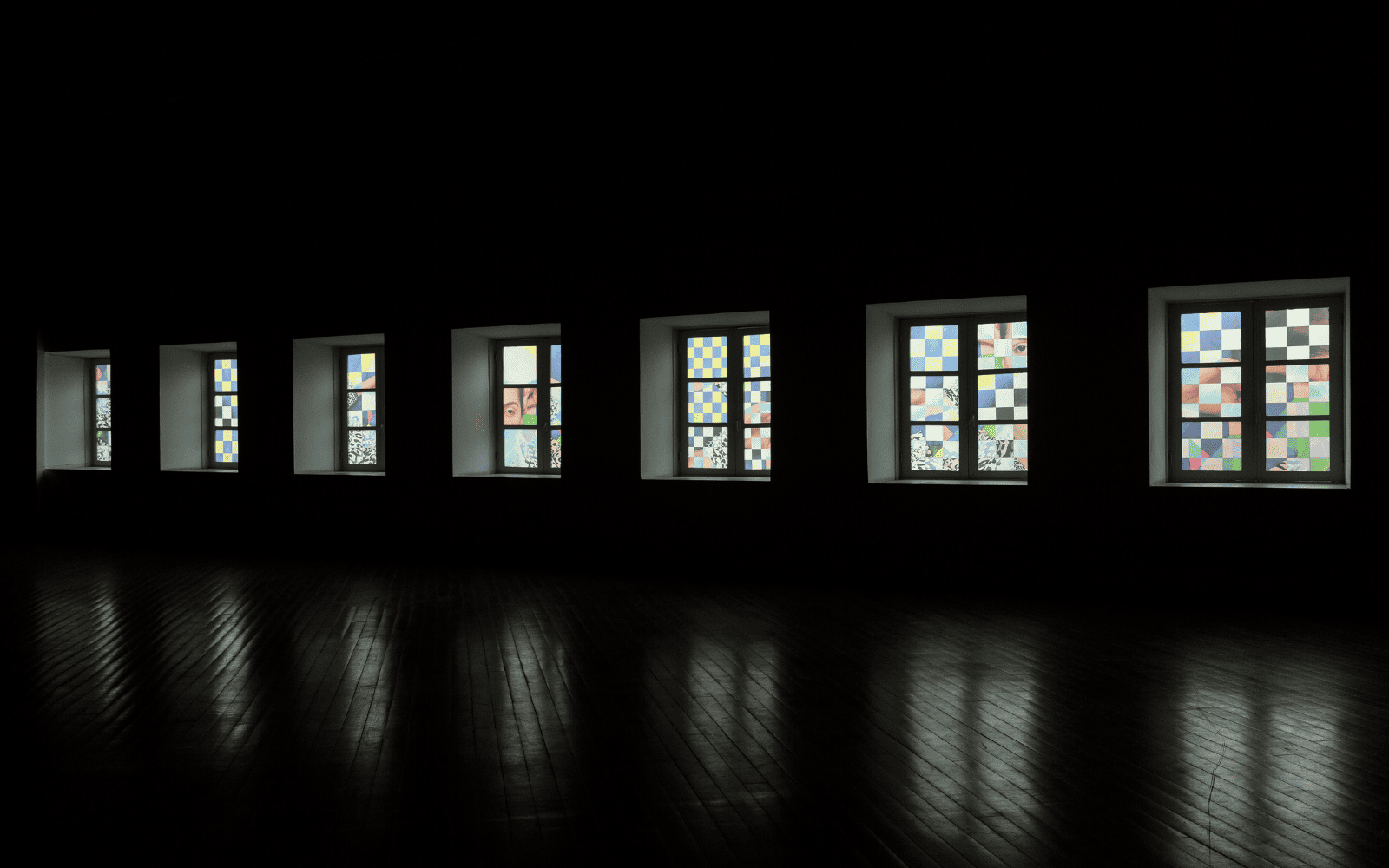
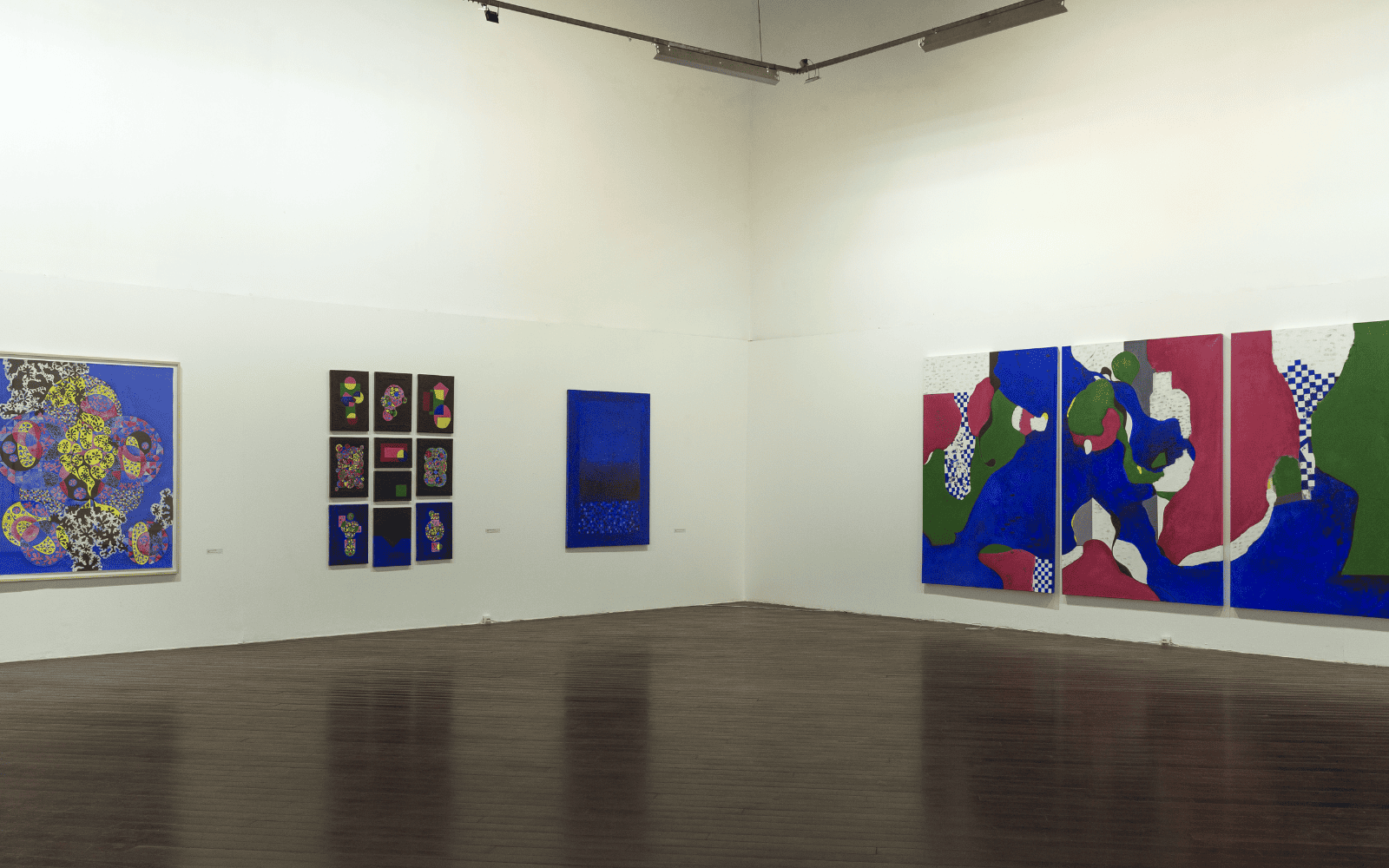
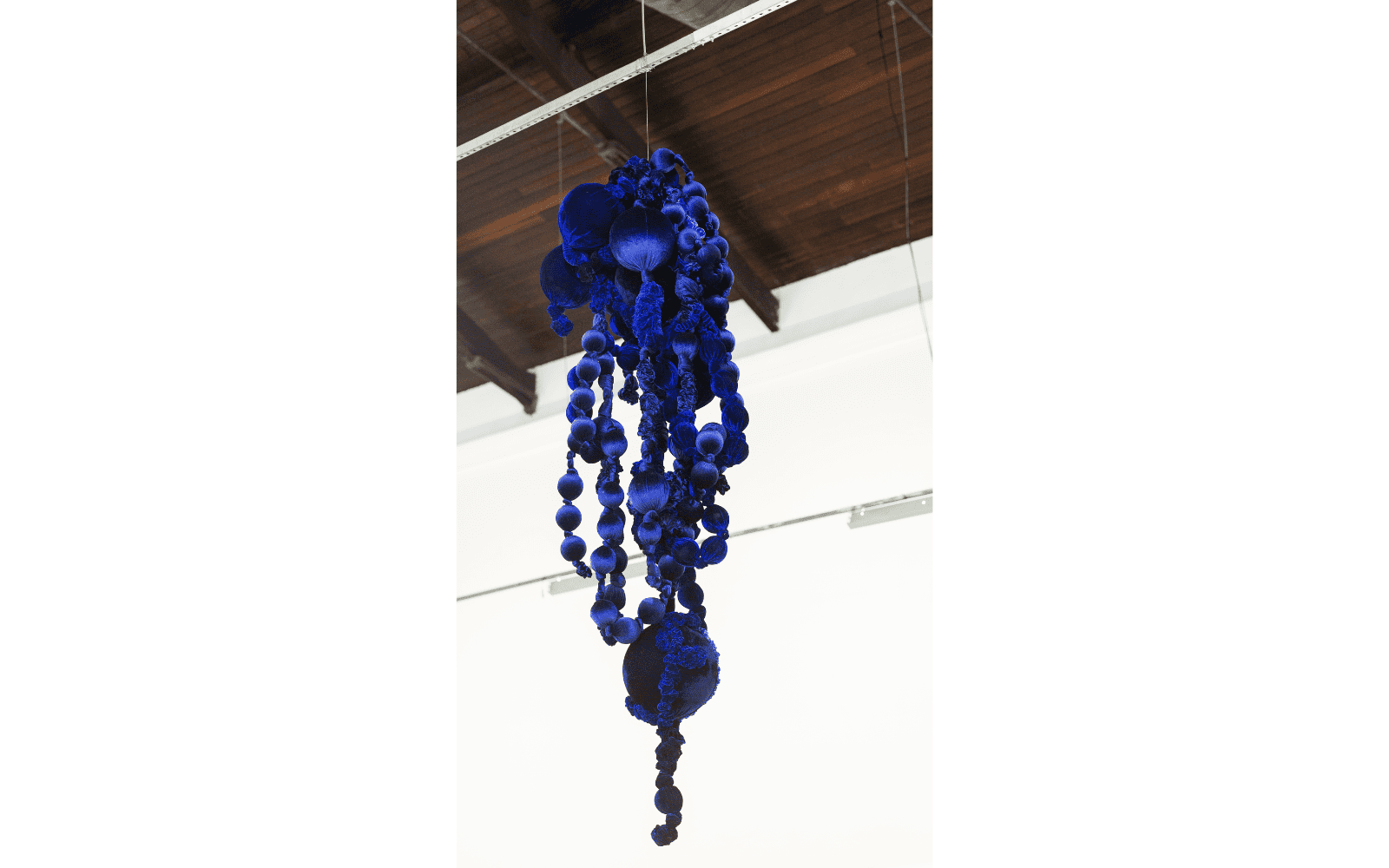
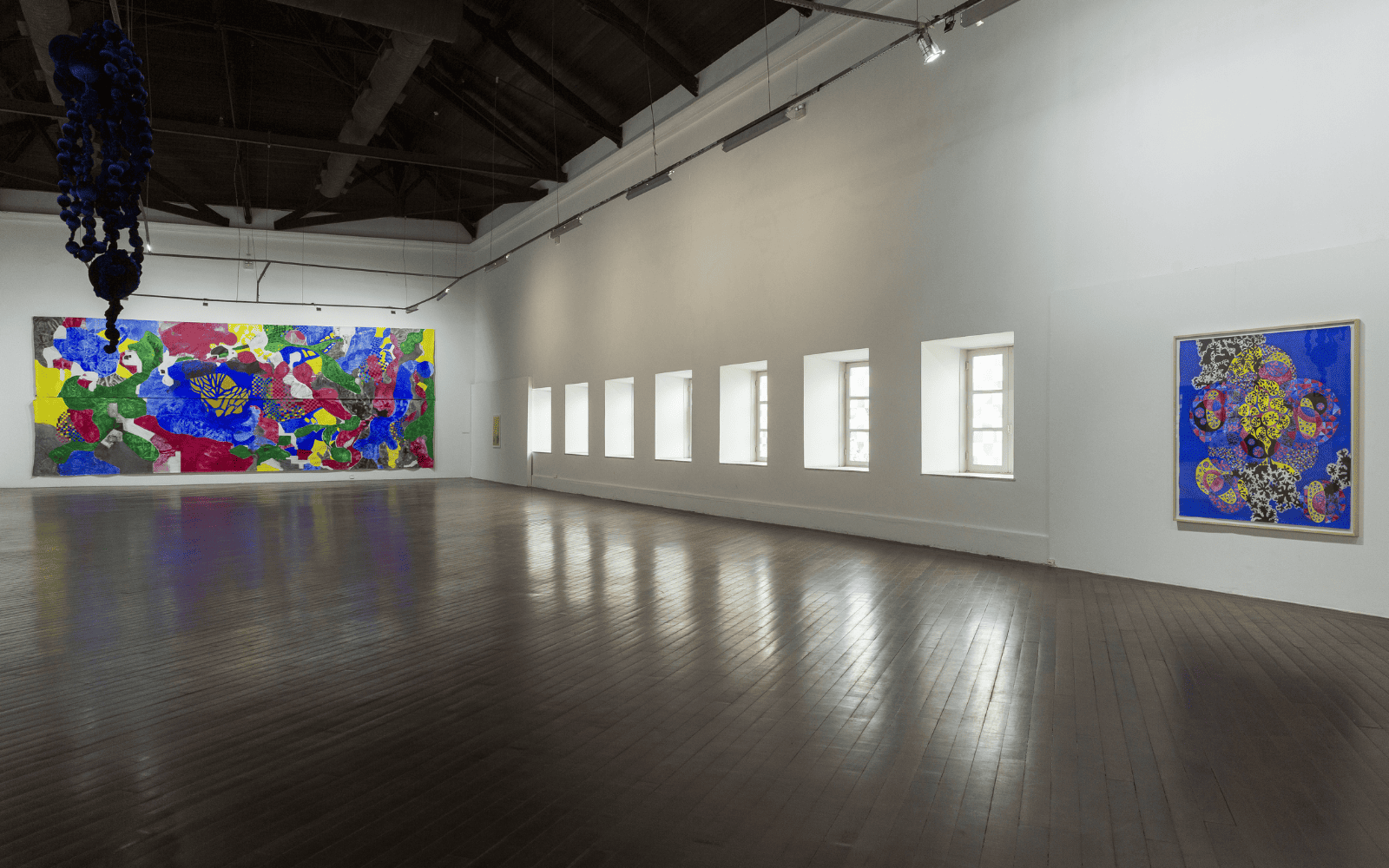
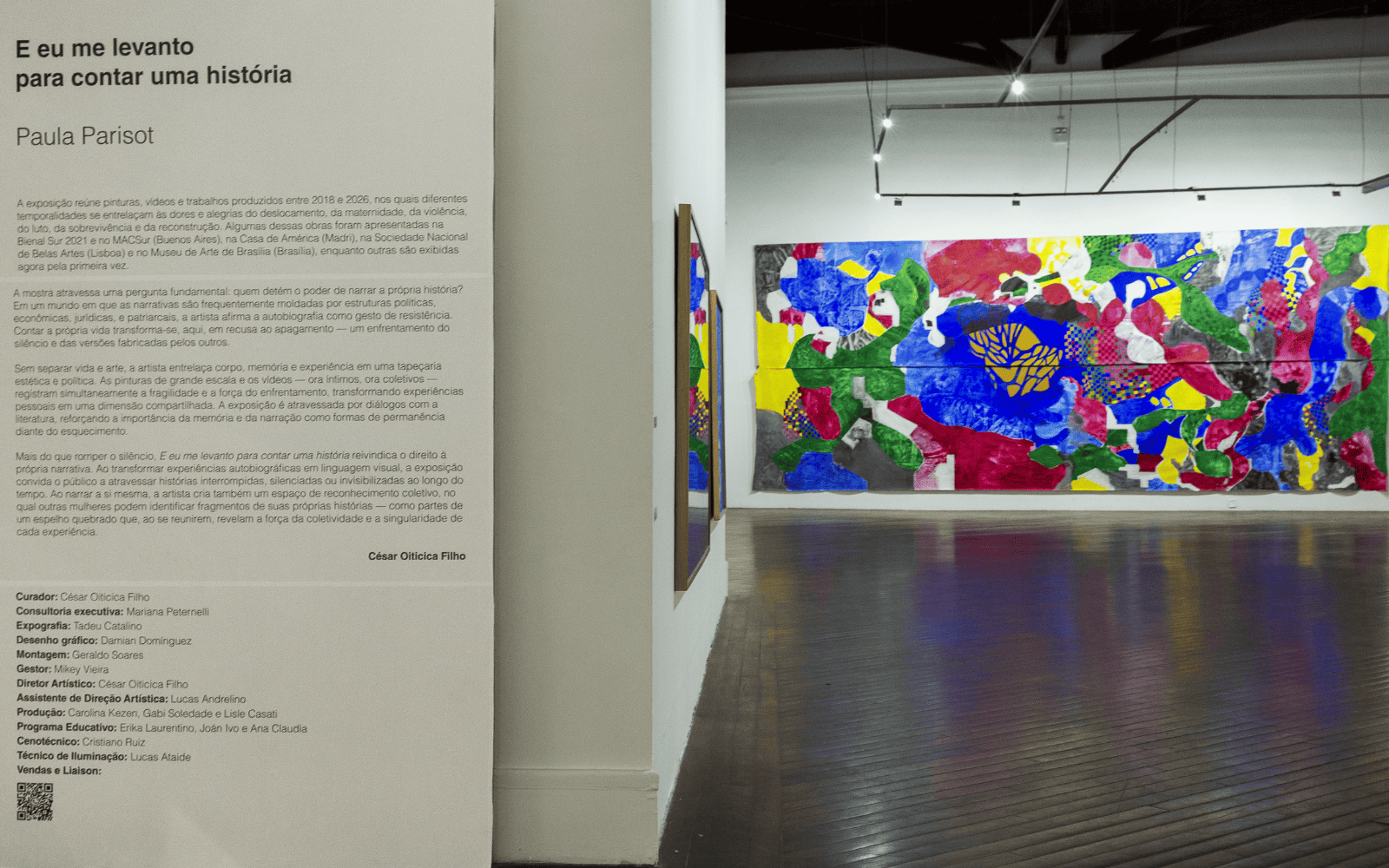
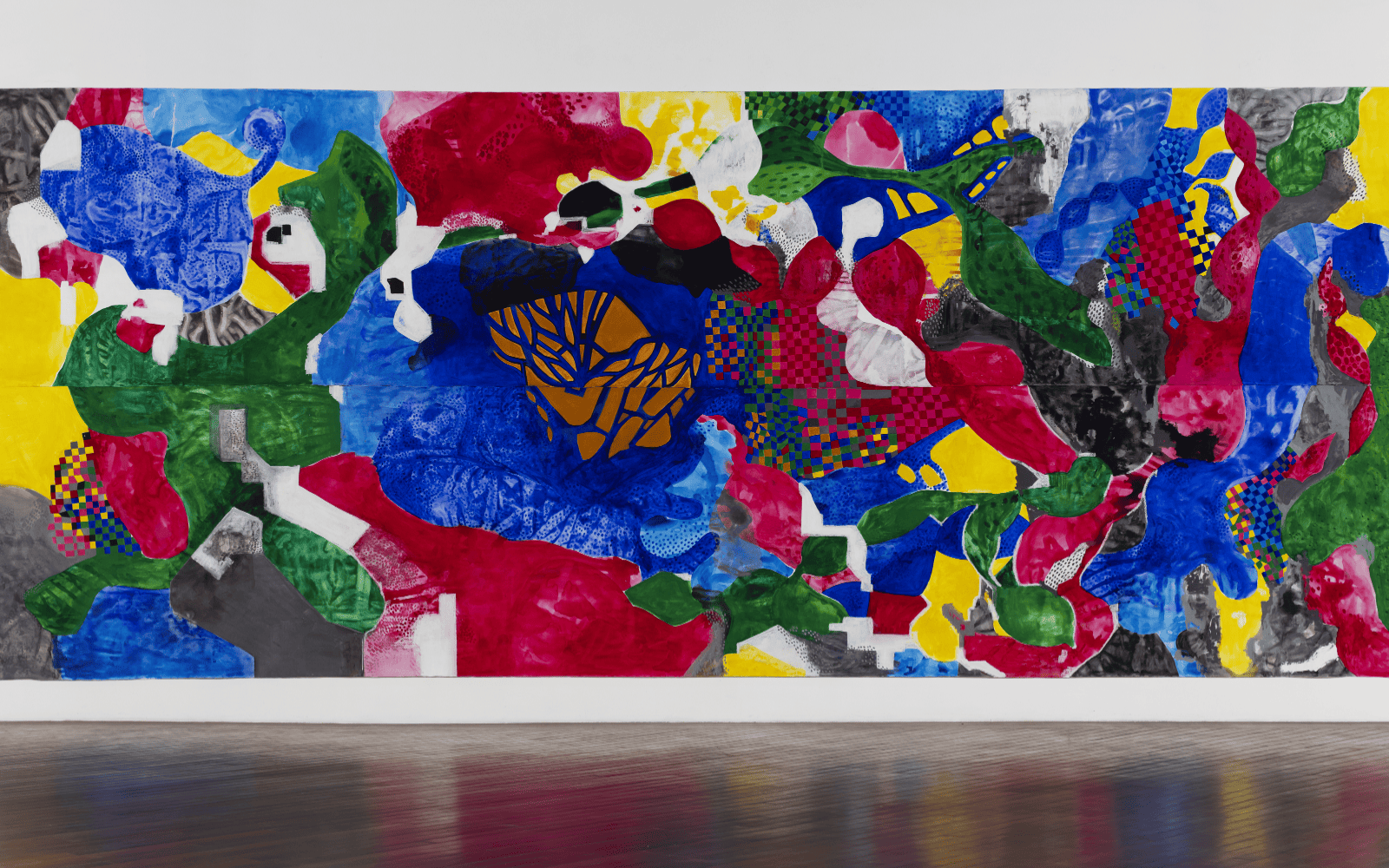
The exhibition brings together paintings, videos, and works produced between 2018 and 2026, in which different temporalities intertwine with the pains and joys of displacement, motherhood, violence, grief, survival, and reconstruction. Some of these works were presented at Bienal Sur 2021 and MACSur (Buenos Aires), Casa de América (Madrid), the National Society of Fine Arts (Lisbon), and the Museum of Art of Brasília (Brasília), while others are being exhibited now for the first time.
The exhibition traverses a fundamental question: who holds the power to narrate their own story?. In a world where narratives are frequently shaped by political, economic, legal, and patriarchal structures, the artist affirms autobiography as a gesture of resistance. Telling one’s own life is transformed, here, into a refusal of erasure — a confrontation with silence and the versions fabricated by others.
Without separating life and art, the artist weaves body, memory, and experience into an aesthetic and political tapestry. The large-scale paintings and videos — sometimes intimate, sometimes collective — register simultaneously the fragility and the strength of the confrontation, transforming personal experiences into a shared dimension. The exhibition is traversed by dialogues with literature, reinforcing the importance of memory and narration as forms of permanence in the face of oblivion.
More than breaking the silence, And I rise to tell a story claims the right to one’s own narrative. By transforming autobiographical experiences into visual language, the exhibition invites the public to traverse histories that have been interrupted, silenced, or rendered invisible over time. By narrating herself, the artist also creates a space for collective recognition, in which other women can identify fragments of their own stories — like parts of a broken mirror that, upon reuniting, reveal the strength of collectivity and the singularity of each experience.